Below Stairs, Back in Use: A Halifax Guide to Pantries, Cellars and Sculleries
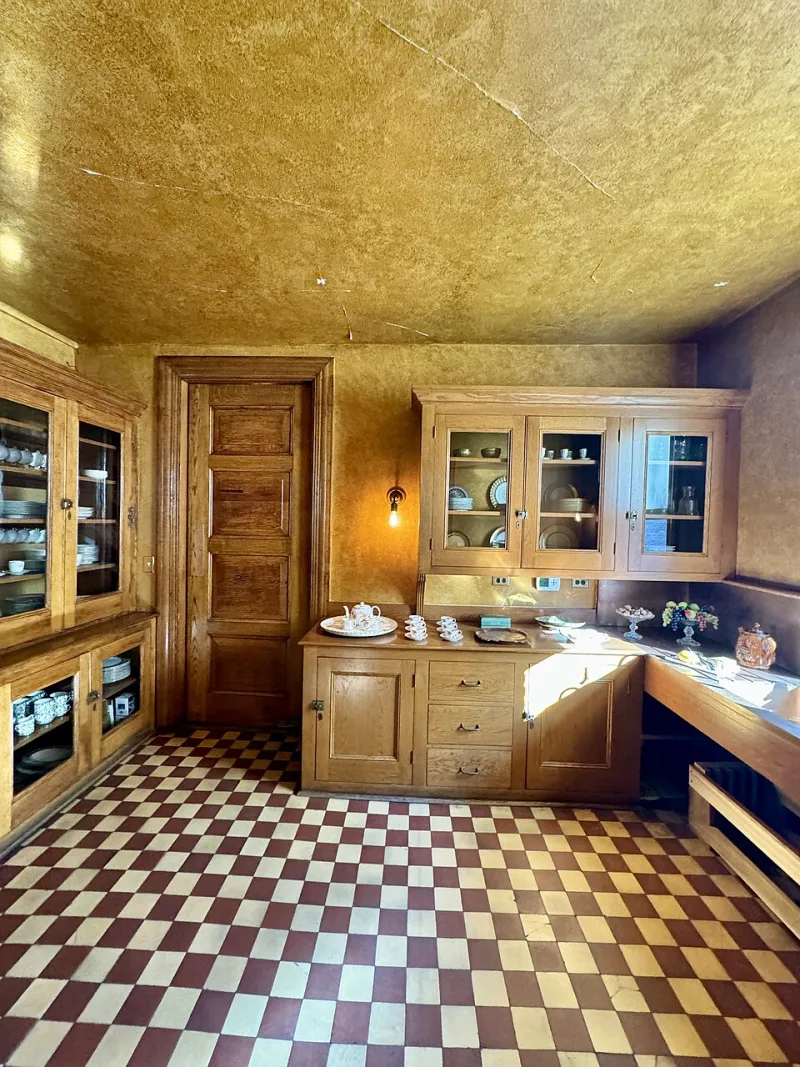
Photo: w_lemay, CC BY-SA 2.0, via Wikimedia Commons
In plenty of Halifax stone terraces, the most useful room in the house is the one you walk past without thinking. A narrow pantry off the kitchen. A cellar reached by a steep little stair. A scullery that long ago lost its copper and gained a tumble dryer. These are the quiet rooms of the period home — not grand, not showy, but deeply practical. And in 2026, as more of us look for ways to make older houses work harder without gutting them, they are worth a second look.
The trick is not to treat a service room as a blank box. It was designed with a job in mind. A pantry was meant to be cool and dry. A cellar was meant to be cool and damp-ish, but ventilated. A scullery was meant to take the wet, messy work so the rest of the house did not have to. Work with those old intentions and you will spend less, spoil less and keep more of the building's story intact.
Start with the room's original job description
Before any shelving goes up or paint goes on, spend an hour working out what the room was for. Look at the floor level, the thickness of the walls, the position of vents, the scar where a copper or a sink once sat. In Halifax, many of these spaces were added or adapted in the nineteenth century, when stone terraces were packed tight and every square foot had a purpose.
A pantry usually wants to stay cool and dry. A cellar wants to breathe. A scullery wants to be washable, well-drained and easy to ventilate. If you try to make a cellar into a sealed habitable room, or a pantry into a steamy utility, you are asking the stone to do something it was never built for. That is when damp, condensation and musty smells start to win.
Damp is a conversation, not a war
Calderdale is a wet place, and Halifax stone knows it. The first step is not a tub of tanking slurry. The first step is finding out where the water is coming from. Check the gutter above. Check the downpipe. Look at the pointing — is it hard cement trapping moisture in the stone? Look at ground levels outside; if the path is higher than the internal floor, water will find its way in. Look at the chimney breast and the roof line.
Only once those obvious sources are dealt with should you think about the inside. Old stone walls often rely on lime mortar and moving air to stay healthy. Sealing them with modern impermeable materials can push damp elsewhere. A local builder who understands traditional buildings is worth their weight here. Ask them to explain what they are doing and why. If the answer is simply 'we always tank cellars', ask another question.
Let the air move
Ventilation is the unglamorous hero of every service room. Cellars need cross-flow. Pantries need a gentle exchange of air. Sculleries need to lose steam quickly. Before you block up an air brick because it feels draughty, remember that it may be the only thing keeping the joists above dry.
In a cellar, keep vents clear and consider a small, low-energy extractor if the space is genuinely sealed. In a pantry, a simple louvred vent or a gap under the door can be enough. In a scullery, a decent extractor fan near the sink or appliance is not overkill; it is basic care. The aim is steady, quiet movement of air, not a gale through the house.
Shelving that suits stone
Salvage yards around Calderdale are full of timber that suits these rooms: old pine boards, stout brackets, simple cupboards that have already survived a century. Reclaimed shelving looks right in a stone pantry and is often cheaper than new timber of the same quality.
A few practical rules. Keep pantry shelves shallow enough to see what is at the back. Use slatted shelves in a cellar so air can move around stored items. Fix battens into sound masonry, not crumbling plaster, and keep fixings away from the dampest patches. In a scullery, think about splash and steam: painted timber and sealed stone are friendlier than untreated chipboard. And leave a little breathing space between shelves and walls. Old rooms dislike being packed tight.
Light without heat
Lighting a cellar or pantry used to mean a single bulb on a flex. Today you can do better without making the room feel like a showroom. Warm white LED strip under a shelf, a battery-backed cupboard light, a simple wall lamp on a separate switch — these are small interventions that make a space usable without drilling a dozen holes in old ceilings.
Avoid recessed downlights in shallow old ceilings unless you know what is above them. In cellars, keep fittings away from the dampest corners and use IP-rated units where needed. In pantries, a light that comes on when the door opens is a quiet luxury. In sculleries, task lighting over the sink beats a single central fitting every time.
A room-by-room checklist for 2026 renovators
Pantry: Check the floor for rot near the door. Confirm there is some ventilation. Measure shelf depth before buying baskets. Look at the door clearance — old pantries often have low, narrow openings. Decide whether you need power for a small fridge or just a light.
Cellar: Inspect the stairs and handrail first. Check for standing water after rain. Test ventilation by seeing whether air moves when doors are open. Keep sockets high and protected. Do not store anything you value against a damp wall. If you plan to use the space regularly, deal with damp sources before adding flooring or furniture.
Scullery: Look at the drain and floor fall. Check the extractor route. Plan splash zones around the sink and appliances. Make sure any new appliance load is safe for the old circuit. Keep a washable finish on the walls and a sensible gap around the washing machine.
Buy slowly, fit once
Salvage sourcing around Halifax and the wider Calderdale area rewards patience. Measure the room properly, photograph the awkward corners, and take a tape measure to the yard. Reclaimed stone sinks, simple timber cupboards and old slatted shelves turn up regularly, but they are only bargains if they fit. Do not buy the beautiful antique shelf before you have sorted the damp behind it.
These rooms are not glamorous, and that is exactly why they are worth getting right. They are the working heart of an old Halifax home — cool, useful, a little rough at the edges. Treat them with a bit of respect, let them breathe, and they will carry on doing their quiet job for another generation.
If you are planning work on a pantry, cellar or scullery this year, start with a notebook, a torch and a local tradesperson who knows stone. The rest can follow.