Stone, Shadow and Shade: A Paint Palette Guide for Halifax Period Homes

Photo: paint sample pots against Yorkshire stone wall sash window, via cdn.neowin.com
Halifax is not a white town. Its buildings are gritstone, buff and grey, sometimes soot-darkened, sometimes silvered by rain. That matters before you open a paint chart. A colour that looks crisp against a London stucco terrace can look chalky or cold against Calderdale stone. The aim is not to match the stone exactly, but to choose colours that let it do its work.
Start with the stone, not the swatch
Before you choose a single sample pot, look at the house at different times of day. North-facing stone often reads cooler and greyer; south-facing walls pick up warmth. Notice the roof, the mortar and the neighbouring buildings. A strong colour may need a quieter neighbour to avoid a collision. In a terrace, the streetscape matters as much as the front door.
Then decide what you want the paint to do. Do you want the stone to recede, so windows and doors stand out? Do you want a calm, enveloping interior that makes the most of low light? Do you want to highlight original details such as cornices, panelling or sash bars? Each aim points towards a different palette.
The Halifax palette: warm neutrals, soot, moss and ochre
For exteriors, warm off-whites and soft stone colours are a safe starting point. Think pale oatmeal, clay white, muted limestone and gentle greige rather than brilliant white. These shades sit comfortably beside gritstone and do not make the building look as though it is wearing a costume.
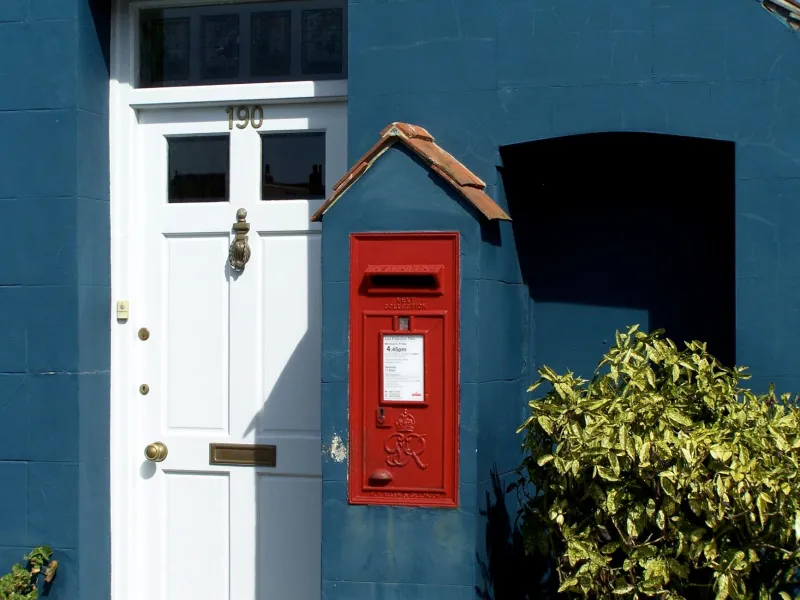
For doors and joinery, deeper colours can work well. Sooty blues, moorland greens, muted burgundy and earthy ochre all have a natural affinity with Halifax stone. A dark door on a pale stone facade can look confident without shouting. On a soot-darkened wall, a lighter door may provide a better contrast. The trick is to test the combination in place, not on a screen.
Inside, period homes often benefit from colours that feel slightly lived-in. Soft greens, dusty pinks, warm greys and mellow yellows can bring warmth to north-facing rooms. Pure brilliant white can be unforgiving in older interiors, especially where walls are uneven or light is limited. An off-white with a little depth is often kinder.
Sash windows and exterior finishes
Sash windows are a good test of any exterior scheme. The frames are usually slender, so the colour you choose will have a big effect. White remains popular and can look crisp, but a soft off-white or a heritage stone colour may sit more naturally on an older facade. If the windows are original, avoid covering them in thick, modern coatings that can trap moisture and make future maintenance harder.
Breathability is the key word. Traditional stone walls need to manage moisture. Exterior paints and finishes should generally allow water vapour to escape. Limewash, mineral paints and breathable masonry paints are often better choices than heavy vinyl or plastic-based coatings. If you are unsure, ask a local paint merchant or decorator who works with older buildings. They will know which products behave well in Calderdale weather.
For joinery, an eggshell or gloss finish can be practical, but check the breathability and flexibility of the product. A rigid finish on a moving timber window may crack. Preparation matters as much as the paint: sanding, filling and priming are not glamorous, but they decide how long the finish lasts.
Testing, testing: small patches and different light
Never choose a colour from a tiny chip under shop lighting. Buy sample pots and paint a patch at least A4 size in the actual room or on the actual exterior wall. Look at it in the morning, at midday and under artificial light. Halifax light can be soft and grey for much of the year, so a colour that looks lively in July may feel flat in November.
For exteriors, test on a hidden area or a spare piece of timber. Check how the colour reads next to the stone, the roof and the neighbouring property. If you are painting a door, test the door colour and the frame colour together. A scheme that works in isolation can fail in context.
Conservation rules and breathable choices
If your home is listed, or in a conservation area, check before you change external colours or materials. Listed building consent may be needed for some alterations, and conservation areas have their own rules. Calderdale Council's conservation team can advise. It is better to ask early than to repaint twice.
Even where consent is not required, a conservation-friendly approach usually makes sense. That means breathable finishes, appropriate colours and repairs that do not harm historic fabric. It also means resisting the urge to cover every surface in the same shade. Period homes often look best when the architecture is allowed to speak.
Modern taste without erasing character
None of this means you have to live in a museum. A contemporary colour can work beautifully in a period home if it is chosen with care. A deep green in a study, a soft clay pink in a bedroom or a strong blue on a front door can feel fresh and personal. The key is balance: let the stone, the joinery and the proportions remain the stars, and use colour to support them.
In 2026, there is also more choice than ever in breathable paints and heritage ranges. That is good news for homeowners who want a modern finish without compromising the building. Ask questions, test properly and buy from suppliers who understand old houses. The right palette will not just look good this winter; it will still look right in ten years.