Knock on Wood: Reading Halifax's Front Doors, From Fanlight to Letterbox
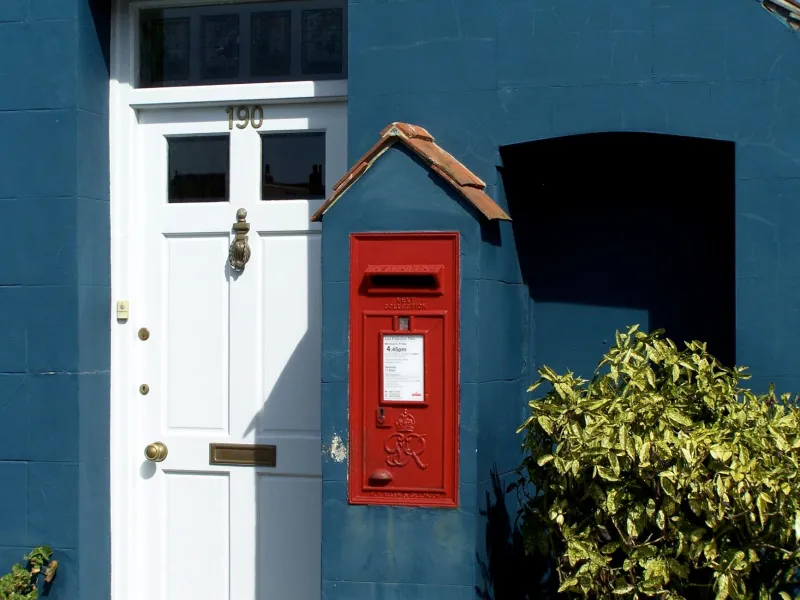
Halifax front doors do a lot of talking. Long before you notice the window sashes or the stone lintels, the door at the top of the steps has usually told you whether the house began life as a millworker's terrace, a merchant's villa or something in between. It is the sort of detail we notice when we are out and about around Savile Park, Skircoat Green and the older streets near the town centre: a solid four-panel door under a heavy stone surround, a fanlight glowing above a narrow hallway, or a brass letterbox polished by a century of hands.
A front door is also the part of a house that takes the worst of the weather. In Calderdale, that means driven rain, damp air, occasional freeze-thaw and plenty of wind. Looking after an old door is not about making it look new. It is about helping it do its job for another few decades.
What the door tells you
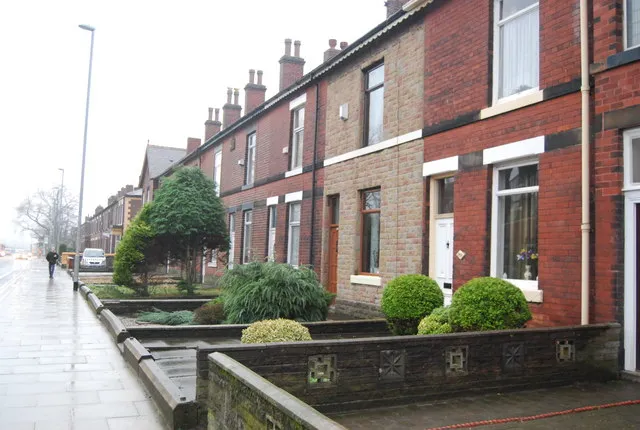
Victorian terraces across Halifax often have a four-panel arrangement: two longer panels below, two shorter ones above. The proportions vary, but the idea is sturdy and practical. Many were painted in dark colours, partly because dark paint hid soot and city grime. Around the older parts of town, the door may sit within a Yorkshire stone surround, sometimes tooled, sometimes rusticated, with a fanlight above to borrow a little extra light for the hall.
Edwardian doors tend to bring in more glass, often in the upper panels, with leaded or stained details. By the 1930s, the mood had shifted again: three panels, a sunburst glazed top and Bakelite handles are all familiar on Halifax streets. None of these details are set in stone, especially after a century of alterations, but they are useful clues when you are trying to work out what belongs and what has been added.
If your home sits in a conservation area, or is listed, check before changing the door. Consent rules are not there to make life difficult; they exist to stop a street losing the very details that make it worth living on. A good local joiner will understand the difference between a repair and a replacement, and will usually try to save the original frame if the timber is sound enough.
Colour that belongs
Heritage colour does not have to mean gloomy. Deep bronze green, oxblood, navy, soft black and stone cream all sit comfortably against Calderdale gritstone and the grey-green tones of a damp Yorkshire sky. What tends to jar is a high-gloss plastic brightness that ignores the stone. A door can be bold without looking as though it has landed from a different century.
Test a patch first, and look at it in morning and evening light. North-facing doors can take a stronger colour; a sun-trapping south-facing door may look quite different once the paint is on. On older timber, a breathable paint is usually the kinder choice. Linseed oil paint has a flat, historic finish and lets the wood move, while modern microporous systems can work well on sound joinery. The important thing is not to trap damp behind a skin of paint.
Preparation matters more than the brand on the tin. Bare patches need priming, knots need treating, and loose putty needs attention before the first brushstroke. Paint in a dry spell if you can, and avoid starting a door in cold, damp autumn weather when the timber is already holding moisture.
Brass, iron and the small pleasures
Original hardware is worth keeping. A heavy brass letterbox, a good knocker or a pair of solid handles can be cleaned and reused far more easily than replaced. Wash brass with mild soapy water and a soft cloth, and avoid abrasive polishes on lacquered pieces. Cast iron prefers a thin coat of beeswax. If a lock is stiff, graphite powder is often better than oil, which can attract grit.
Security deserves a sensible thought, but try not to drill through the character of an original door if a good lock can be fitted around it. Keep original screws where you can, and if something has to be replaced, choose slotted brass rather than a shiny modern fixing that looks out of place.
Keeping out the Calderdale damp
Check the threshold, the drip bar and the sill. Clear gutters above the door. Make sure the door closes cleanly without forcing the frame, and keep an eye on any bare timber at the bottom edge, where rain tends to sit. A yearly check in early autumn is worth more than a frantic repair in January. Brass will patinate; timber will need repainting every few years. That is normal, not a failure.
When a repair is needed, ask a local joiner about splicing in new timber rather than replacing the whole door. Conservation-minded suppliers can usually match mouldings, and a good painter will know how to build up a finish that looks settled rather than shrink-wrapped. The best Halifax front doors are not the ones that have never been touched. They are the ones that have been looked after with a bit of patience.