Second Time Around: A Halifax Hunter's Guide to Furniture Worth Keeping
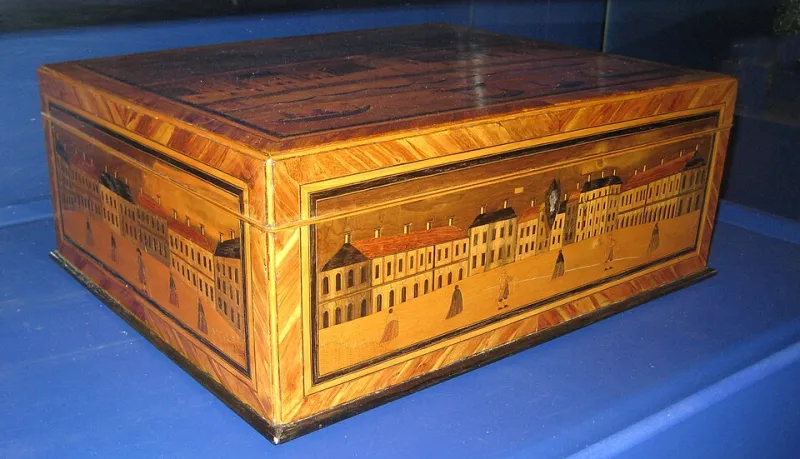
Photo: user:shakko, CC BY-SA 3.0, via Wikimedia Commons
There is a particular pleasure in finding a solid old chest of drawers in a Halifax charity shop, or a pair of chairs at a local auction that have clearly been in the same family for decades. The finish may be tired, the upholstery may be past its best, but the bones are often better than anything you could buy flat-packed for the same money. The trick is knowing which pieces are worth the effort.
Buying pre-loved furniture is not about filling a house quickly. It is about buying less, choosing well and then using Calderdale's repair and restoration trades to give a good piece another century of life. Here is how we would go about it.
1. Start with the bones, not the polish
Turn the piece upside down, or at least look underneath. Hand-cut dovetails are usually slightly irregular; machine-cut ones are very even. Neither is automatically bad, but hand-cut joints on a older piece suggest care and repairability. Look for mortise-and-tenon joints, wooden drawer runners and slotted screws. A back panel fixed with modern staples is a clue that the piece may be newer than it looks, or that it has been heavily rebuilt.
Give it a gentle shake. A little movement is normal in old furniture; a lot of racking is not. Open every drawer and door. Do they run smoothly? Is the carcass square? Are there signs of woodworm, especially in damp garages and outbuildings? Fresh flight holes and fine dust are worth taking seriously.
2. Read the timber
Oak, mahogany, walnut, pitch pine, teak and beech all turn up in Calderdale homes, and each has its own character. Oak is hard-wearing and often heavy. Mahogany and walnut can be beautifully figured but may need gentle cleaning rather than sanding. Pitch pine has a resinous warmth that suits a Halifax terrace. Teak is a good sign on mid-century pieces, though not every teak-looking item is solid teak.
Veneer is not a dirty word. Some of the best twentieth-century furniture is veneered, and it can be repaired by a skilled hand. What you want to avoid is lifting, bubbling or chunks missing from the edges. Check that any veneer is flat and intact before you fall for the shape.
3. Upholstery red flags
A sagging seat is not always a disaster, but it does tell you to look closer. Press down on the seat and listen for creaks or knocking from the frame. Smell the piece. Smoke, pets and damp are difficult to shift, and damp often means the frame has been stored badly. Sun-faded fabric can be replaced, but factor the cost into your offer.
On older chairs, horsehair and traditional webbing can often be rebuilt. On mid-century pieces, foam may have crumbled to dust. A good upholsterer will tell you whether the frame is worth saving. If the frame is sound, re-covering is usually a better use of money than buying a new sofa of similar quality.
4. Where to hunt around Halifax
The town centre charity shops and the smaller shops in Sowerby Bridge and Hebden Bridge are good for the unexpected. Calderdale auction rooms can be excellent if you check the viewing day properly and remember that buyers' premiums add to the hammer price. House clearance sales and local dealers often have sturdier pieces than the high street, and the independent shops around the Piece Hall are worth a browse for smaller items and ideas. Online marketplaces are fine too, but always ask for extra photographs of joints, drawer bottoms and the back of the piece.
Take measurements with you. A beautiful dresser is no use if it will not fit up a Halifax staircase. If you are buying at auction, know how you will get it home before you bid.
5. The keep, fix and love checklist
Before you commit, ask yourself a few plain questions. Is the frame solid? Do the drawers run? Is the timber worth cleaning rather than sanding? Can the upholstery be saved, or is it a re-cover job? Are the handles original? Is the repair likely to cost more than the piece is worth to you? And do you actually have a place for it?
A good piece does not have to be perfect. A scratched top can be waxed. A missing handle can be matched. A wobbly joint can be glued and clamped by a joiner. What you cannot easily fix is a rotten frame, widespread woodworm or a smell that has soaked into every fibre.
6. Local trades worth knowing
Halifax still has people who can French polish, re-weave cane, rebuild a chair frame, reupholster a sofa and match a missing piece of timber. Ask around before you buy; a restorer can often give you a rough idea of cost from a few photographs. The best pieces are not always the cheapest on the day. They are the ones that have been chosen with a bit of care and then kept going by local hands.
Buy less, choose well, repair what you can. That is a good rule for Halifax homes, whether the piece is a Victorian chest or a 1960s sideboard that has somehow survived three house moves and a loft conversion.