Handshakes, Hardware and Heritage: The Halifax Traders Who Still Know Your Name
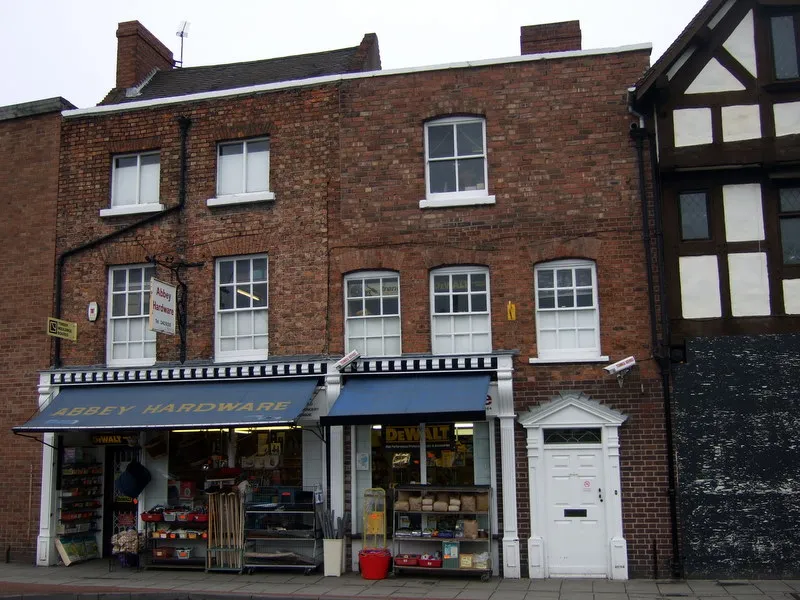
Photo: ceridwen, CC BY-SA 2.0, via Wikimedia Commons
Halifax has a way of making retail feel like a conversation. Step into an independent shop on a wet November morning and you are as likely to be asked about your sash windows as your shopping list. In 2026, that is not a quaint throwback. It is a practical advantage for anyone caring for an older home, and a good reason to spend a little of your winter budget locally.
The town's independent retail scene is a loose network of hardware shops, homeware stores, upholsterers, restorers and decorators. They do not all sell the same thing, but they share a useful habit: they know what Halifax houses are like. They understand stone that has taken a century of weather, windows that have been painted shut and then freed again, and the particular draught that finds its way under a Victorian back door. That knowledge is hard to download.
The hardware shop that doubles as a helpdesk
Every period home has a small drawer of mystery. In it live a broken sash pulley, a brass screw with an unusual thread, a hinge that no longer matches anything on the shelf of a big shed. The independent hardware shop is where that drawer starts to make sense. Take the old part with you. Take a photograph of the window, the door or the cupboard it came from. The person behind the counter will often recognise the age and the make before you have finished explaining.
That is the first reason to buy local this winter: diagnosis. A knowledgeable trader can save you from buying three wrong things online and paying for two returns. They can also tell you when a repair is genuinely beyond a DIY fix and when a restorer is the better call. In a town full of stone-built terraces, that kind of signposting is worth paying for.
Homeware with a Calderdale accent
Halifax homeware shops tend to stock for the houses people actually live in. That means practical textiles, sturdy hooks, honest storage and small pieces that suit a room with low ceilings or an awkward alcove. It also means advice on scale. A huge mirror can overwhelm a Victorian bedroom; a delicate lamp can disappear against a gritstone wall. Local staff see the same sorts of rooms every week, so their suggestions are grounded in reality rather than a photograph of a warehouse conversion.
The best shops also change with the seasons without chasing every trend. In winter, ask about door draught excluders, thick curtains and lamp shades that make the most of low light. In summer, they will point you towards breathable fabrics and shades that keep a south-facing room from turning into a greenhouse. That rhythm is useful for heritage homes, which often need gentle solutions rather than heavy-handed ones.
Upholstery, restoration and the long view
The upholsterer and the restorer are the quiet heroes of local retail. They are the people who can look at a sagging armchair and see another twenty years of use rather than a trip to the tip. They can match a fabric to a faded curtain, rebuild a seat with traditional materials, or advise on whether a piece of furniture is worth saving. For homeowners trying to keep a period property furnished in keeping, that expertise is invaluable.
There is also a practical environmental case. Every item repaired is one less item manufactured, shipped and eventually discarded. Halifax has a long history of making things well and mending them when they wear. Supporting the trades that continue that tradition is not nostalgia; it is sensible housekeeping.
Why buying local pays this winter
Buying local is not only about sentiment. It is about access to advice, faster problem-solving and fewer wasted purchases. If you are fitting a curtain pole into old plaster, a local shop can sell you the right fixings and tell you how to use them. If you are choosing paint for a stone wall, a merchant can explain why breathability matters. If you are restoring a sash window, a specialist can tell you which parts are still available and which need to be made.
There is a community benefit too. Independent shops keep money in the local economy and keep skills alive. They also make the town more interesting to walk through. A high street made only of identical chains is convenient, but it is not memorable. Halifax is lucky to still have characters behind counters who remember your name and your hallway.
A small Saturday circuit
You do not need a grand plan to support local retail. Start near the Piece Hall and work your way through the town centre. Take a notebook and a few measurements. Ask one question in each shop, even if you are only browsing. You will come away with a better sense of what your house needs and who can help you do it properly.
This winter, the best home improvement tool in Halifax might not be a drill. It might be a conversation across a shop counter. The traders are there, and they know the town. Use them.