Hearth, Home and Halifax: A 2026 Chimney Check Before the Cold Sets In
There is a particular Halifax evening in early November when the light goes early, the stone feels cold to the touch and the idea of a fire becomes irresistible. The kettle goes on, the curtains are drawn and someone reaches for the matches. It is a lovely ritual — but it is also the moment when a chimney that has been sitting idle since spring deserves a little attention.
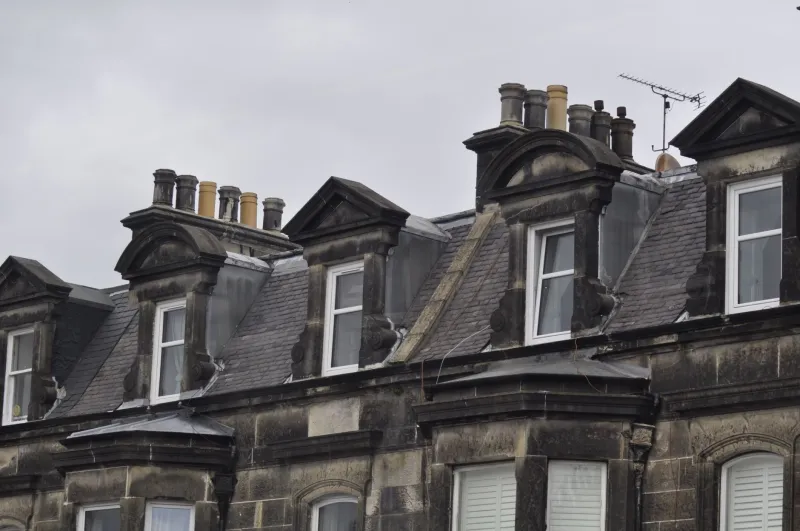
Older stone terraces around Halifax and the wider Calder Valley have wonderful chimneys, and many of them have seen more winters than any of us. That does not mean they can be ignored. A bit of checking now can save a smoky evening, a costly repair or something worse later in the season.
Start with a look, not a match
You do not need to be a chimney expert to notice that something has changed. From outside, look at the stack and pots if you can do so safely from the ground. Crumbling mortar, a cracked pot, a missing cowl, soot staining on the stone or a sudden patch of damp are all worth investigating. So is any sign that birds have taken up residence. A blocked flue is not just a nuisance; it can be dangerous.
Inside, the clues are often just as clear. A smoky smell in a room that has not had a fire lit, black marks around the fireplace opening, soot falling onto the hearth or a fire that struggles to draw are all messages from the flue. If you have just moved into a Halifax period home, assume nothing. The previous owner may have burned wood, coal or nothing at all for years, and the chimney may not have been swept in that time.
What a proper sweep visit actually covers
A good sweep is not simply a brush on a pole and a quick exit. Before booking, ask what the visit includes. A reputable sweep will protect the floor and furniture, access the flue properly, check the chimney pot and cowl where possible, and test how the fireplace draws. Many now use cameras to look inside the flue, which is especially useful in older properties where liners, bends and old repairs can be hidden from view.
They should also be able to tell you what fuel the flue is suitable for, whether ventilation is adequate and whether any obvious repairs are needed. You should receive a certificate or record of the sweep, which is worth keeping with your home paperwork. If you burn wood or solid fuel regularly, many sweeps recommend more than one visit a year; for occasional fires, an annual sweep before winter is a sensible baseline. Gas and oil appliances have their own service requirements, so use the right qualified person for the job.
Choosing a stove or fireplace for a stone terrace
A stove can be a wonderful addition to a period home, but bigger is not always better. In a smaller Halifax terrace, an oversized stove will often be turned down low, which can make the flue run cool and cause tar and creosote to build up. The right size, properly installed, will burn better and be easier to live with.
Check whether your home is in a smoke control area — Calderdale Council can confirm this — and choose an appropriate appliance and fuel. Look for an installer who is registered with a recognised competent person scheme, and ask about ventilation, hearth requirements and the condition of the existing chimney. If your home is listed, do not assume that a new stove or flue is automatically allowed. Internal alterations and changes to the chimney can require listed building consent, so speak to the council's conservation team before work begins.
For older fireplaces, the temptation is often to rip out the original opening and start again. Resist it if you can. Original stone surrounds, cast-iron inserts and deep reveals are part of what gives a Halifax home its character. A good installer will work with what is there where possible, rather than against it.
Insurance, paperwork and listed buildings
Insurance policies vary, but many insurers expect chimneys to be maintained and swept by a competent person. If you have a stove installed, tell your insurer. Keep the installation certificate, the sweep record and any building consent documents together. If you ever need to claim, that paperwork is much easier to find before the event than after it.
For listed buildings, the key word is consent. Repairs that like-for-like may be straightforward, but alterations — a new flue, a changed pot, a stove installation — need proper advice. The conservation officer is not there to stop good work; they are there to make sure the right work is done to a building that cannot easily be replaced.
A simple seasonal routine
Before the first fire of winter 2026-27, book your sweep, test your smoke and carbon monoxide alarms, and check that vents and air bricks are not blocked. Make sure the chimney pot is sound and the cowl is secure. Store logs somewhere dry and well ventilated, and never burn wet wood or household rubbish. Clear ash safely and let it cool completely before disposing of it.
If something does not feel right — a weak draw, a strange smell, smoke coming into the room — stop using the fire and get advice. A chimney is one of those parts of a home that is easy to forget until it asks for attention. In Halifax, where so many homes are built of stone and shaped by weather, a little care before the cold sets in is one of the simplest ways to keep the hearth doing what it should: making the house feel warm, safe and lived in.