The Bones of the House: Caring for Original Floors in Halifax Period Homes
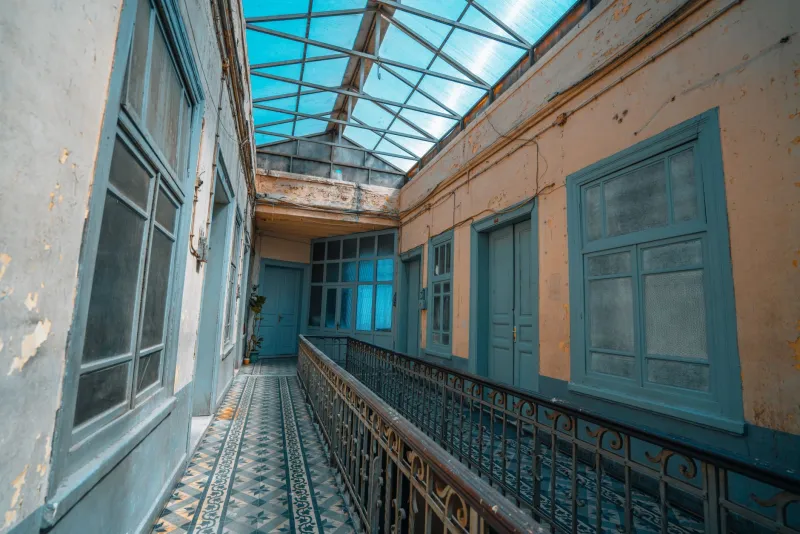
Walk into an older Halifax home and the chances are the floor will tell you something before the walls do. A flagstone hall worn smooth by a century of boots. Red quarry tiles in the kitchen, chipped at the edges but still doing their job. Upstairs, wide pine boards with a patch here and a knot there, creaking in the same places they always have. These are the bones of the house, and in a stone-built town like ours they deserve a bit of thought before anyone reaches for the screed or the laminate samples.
Start by looking down, not up
Before you decide what to do with an old floor, spend a little time working out what it actually is. Lift a corner of carpet if you can. Check under a threshold. Look at the depth of the boards, the size of the flagstones, the colour and density of the tiles. In Halifax and around Calderdale, you’ll often find local stone flags in halls and sculleries, red quarry tiles in kitchens and back rooms, and pine boards upstairs where the house was built for practicality rather than grandeur.
It also helps to note how the floor behaves. Does it feel cold and solid underfoot? Is there a spring in the boards? Are there gaps you could post a letter through? Is there any sign of damp along the edges? These clues matter more than any style trend. A floor that has survived a hundred winters is usually telling you what it needs — and what it doesn’t.
Flagstones: the cold, honest heart of the house
Flagstones are the floor of choice in many older Halifax properties for good reason. They are hard-wearing, forgiving and wonderfully generous in scale. They also tend to be cold, which is part of their character rather than a fault. If yours are sound, the priority is usually repair rather than replacement. Lift any hollow-sounding stones, reset them on a suitable lime-based bed and point the joints with lime mortar rather than cement. Cement may seem tougher, but it traps moisture and can cause stone to spall over time.
Small cracks and worn edges are part of the story. If a stone is broken beyond use, a reclaimed flag of similar thickness and colour can often be sourced locally. The result won’t be seamless, and that’s fine. A patch of different stone is honest. A floor that looks as if it has never been touched usually looks as if it has never been lived in, either.
Quarry tiles: the kitchen workhorses
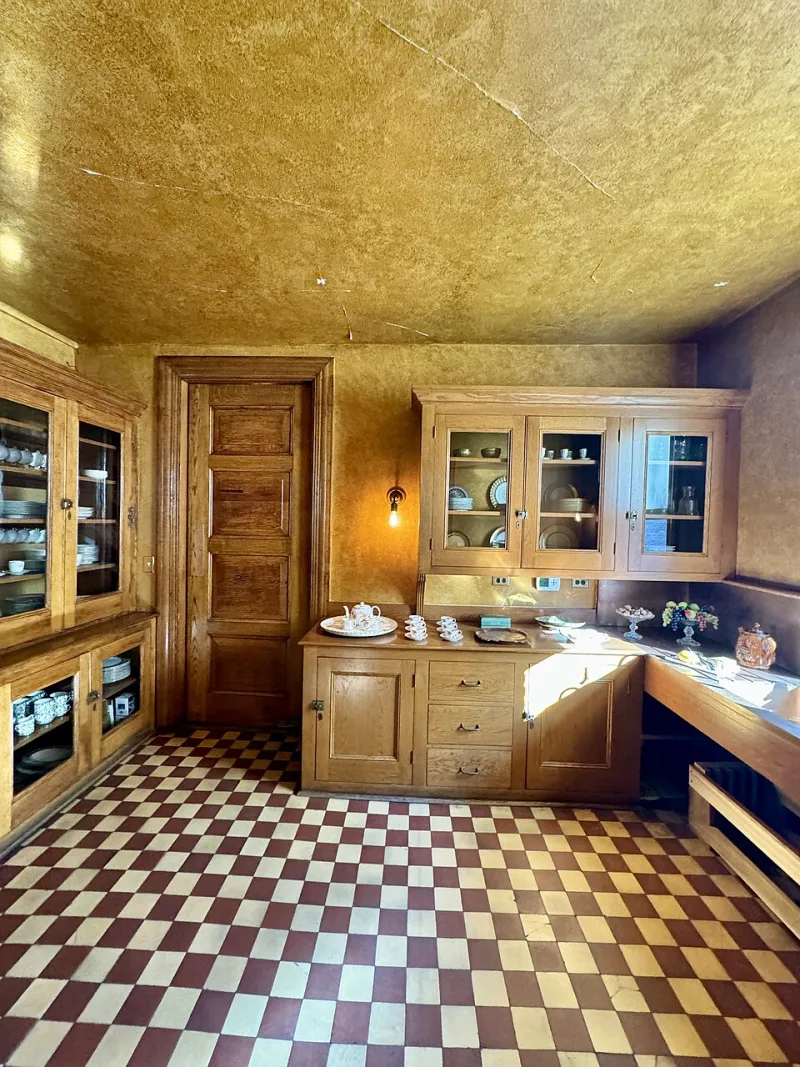
Red quarry tiles have a lovely way of grounding a room. They are practical, easy to clean and warm in colour even when they are cool underfoot. The main enemies are heavy impact, harsh cleaning and the wrong kind of sealer. If the tiles are dusty and dull, start gently. A pH-neutral cleaner and a soft brush will do more good than a strong acid wash. Avoid sealing a damp floor; you’ll only lock moisture in.
Loose tiles can be re-bedded. Cracked ones can be replaced with reclaimed stock, though matching the exact red is never guaranteed. For finishes, a breathable oil or traditional wax can bring out colour without creating a plastic sheen. If the kitchen is busy, a small amount of matting at the sink and doorways will protect the surface without hiding it. Quarry tiles don’t need to be precious. They need to be looked after.
Old boards: wide pine and its patches
Upstairs, wide pine boards are one of the quiet pleasures of a period home. They may have been painted, stained, covered in lino or left bare for decades. If they are structurally sound, they can usually be saved. Check for movement and loose boards first. Squeaks often come from boards rubbing against joists, and a little investigation can save a lot of annoyance later. Gaps are normal in old boards, especially in winter when the heating is on. If draughts are a problem, consider discreet draught-proofing below rather than filling every gap with modern sealant.
Sanding is not always the answer. If the boards are thin or heavily worn, a light clean and a breathable finish may be kinder. Where boards are damaged beyond repair, use reclaimed pine of a similar age and width. The patch will show, but it will also belong.
Repair or replace?
The honest answer is: repair whenever the material is sound. Old floors are rarely perfectly flat, perfectly even or perfectly quiet. That is not a defect; it is the nature of a building that has settled into itself. Replacing original flagstones or wide boards often costs more than people expect and rarely improves the feel of a room. The main exceptions are where a floor is genuinely unsafe, where joists are rotten, or where previous alterations have left a mess that cannot sensibly be undone.
Before making that call, get a local opinion from someone who understands old buildings. A joiner or builder used to period properties will usually tell you quite quickly whether you are looking at character or a problem.
Warmth without wrecking the floor
Cold floors are a common complaint, but the answer isn’t always underfloor heating. Old stone and timber floors work best when they can breathe, and sudden changes in temperature or moisture can cause problems. In many Halifax homes, a combination of sensible draught-proofing, a well-fitted rug and a bit of extra insulation elsewhere in the room makes more difference than ripping up the floor. If you do consider underfloor heating, take proper advice first. It can work beautifully in some situations, but it is not a universal fix.
Finishes that let old floors breathe
Whatever you choose, favour finishes that allow the material to move and dry naturally. Breathable oils and waxes are usually a better match for old timber than heavy polyurethane. Lime-based pointing is kinder to flagstones than cement. Quarry tiles can cope with a simple, breathable sealant if they need one, but they don’t need to be glossy to look cared for.
And then there is the matter of rugs. A good rug isn’t a cop-out; it’s a practical way to soften sound, add warmth and protect the floor beneath. Choose something that lets you enjoy the stone or boards at the edges. The floor is the point, after all.
A local word
In a town of stone terraces and old mills, floors are part of the heritage we live with every day. They don’t need to be perfect. They need to be understood, repaired where it matters and finished with a bit of restraint. If you’re unsure what you’ve got underfoot, ask someone who knows Halifax homes. The chances are the floor has plenty more years left in it yet — and it’s worth keeping.