After the Lamps Are Lit: A Winter Lighting Plan for Halifax Stone Homes

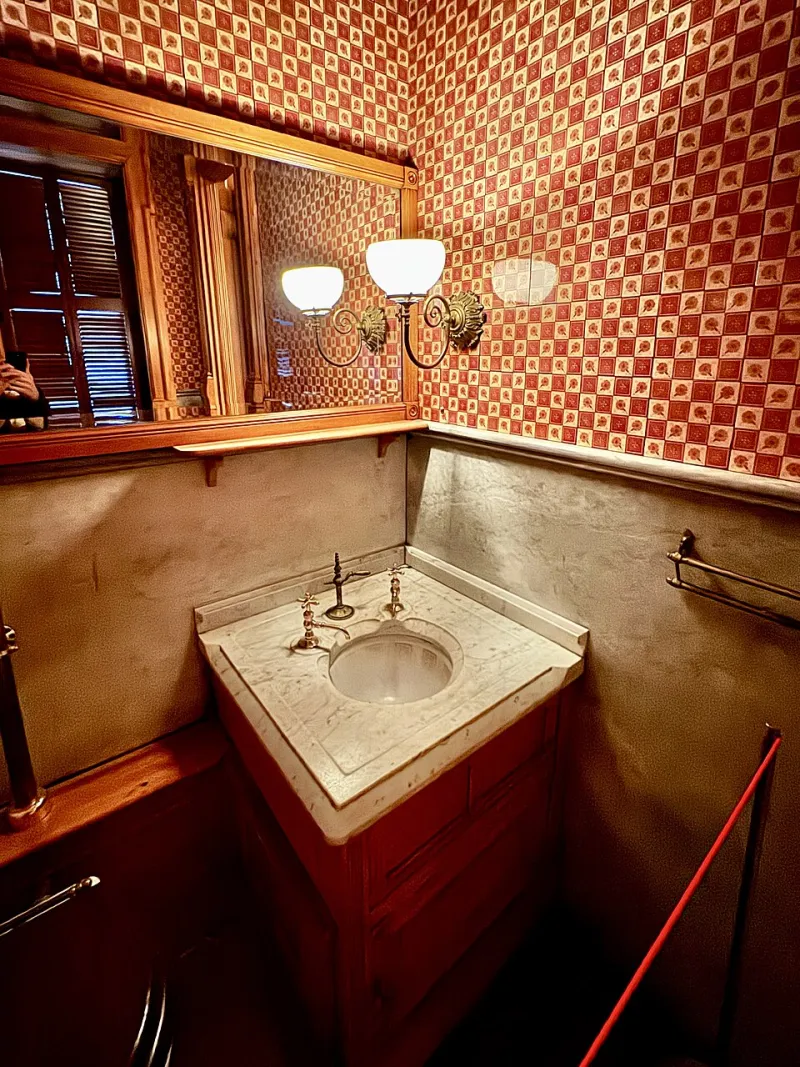
There is a particular moment in a Halifax November, somewhere around half past four, when the curtains are drawn, the stone outside turns a damp blue, and the house suddenly needs you to make a decision about light. Get it wrong and a period room can feel like a waiting area: flat, bright and oddly cold. Get it right and the same room holds you. The good news is that you do not need a lighting designer or a second mortgage. You need a few warm bulbs, a handful of lamps placed with thought, and the willingness to stop treating the ceiling light as the only switch in the house.
Start with the bulb, not the shade
It is tempting to buy a beautiful shade and then discover the bulb inside is a cold, blue-white thing that makes the wallpaper look grey. Before you fall for a pleated linen number, check the fitting and decide on the light you actually want. For most period rooms, that means a warm white bulb around 2700K, ideally dimmable, and often lower output than the packet suggests. A 40W-equivalent LED filament bulb can be plenty in a table lamp. Two of those in a front room will do more for the atmosphere than one bright pendant overhead.
If a lamp has been in the family since the 1970s, or came from a house clearance with a flex that looks older than the carpet, get it checked before you use it. Several independent electrical shops around Halifax will test and rewire a lamp base, and it is money well spent. A good brass or ceramic base is worth keeping. A cracked flex is not worth risking.
Three layers, not one bright ceiling
Period homes tend to have high ceilings and generous cornices, which is lovely until you realise that a single pendant has to light the whole room. Instead, think in layers: ambient light for the room as a whole, task light where you read or cook, and accent light for the features you want to bring forward. In practice, that usually means a floor lamp, a table lamp or two, and perhaps a wall light or picture light. The ceiling fitting can stay for cleaning, board games and the moments when you genuinely need to see everything.
A dimmer switch is one of the kindest upgrades you can make in a stone-built house. It lets you take the edge off a winter evening without turning the room into a cave. If the wiring is old, ask an electrician to check what is safe before you fit one. Halifax has plenty of trades who understand period wiring and will tell you honestly what needs doing.
The front room: gather, don't glare
In the room where you sit and talk, put light where people are, not where the television is. A floor lamp beside the chimney breast, a table lamp on a side table, and a low lamp behind a sofa will create pools of light that make the room feel smaller and warmer. Keep bare bulbs out of direct sight. Shades in linen, opal glass or a soft pleated fabric do a good job of softening the light without making everything look dim.
For winter gatherings, resist the urge to flood the room. A few low sources are more flattering than one bright one, and they let people move between light and shadow. If you have a picture rail or a favourite print, a small picture light can bring it forward without lighting the whole wall. Just make sure the bulb is warm and the fitting is not too hot to touch.
Halls, stairs and landings: safety with softness
Period hallways can be gloomy by nature, especially in a terrace where the front door opens straight into a narrow passage. You still need to see the stairs, but you do not need a stark downlight that makes everyone look like a suspect. A low lamp on a hall table, a warm pendant on a dimmer, and a small plug-in night light on the landing can be enough. If the stairs are tricky, a motion-sensor light at the top and bottom is practical and can be set to a warm tone.
Back landings are often forgotten. A small lamp on a chest or a low-energy wall light near the bathroom door makes the middle of the night less jarring. It is also safer than feeling your way along a wall in the dark.
Dining tables and kitchen worktops
Over a dining table, a pendant hung low enough to feel intimate but high enough to see your plate is the classic answer. Warm, dimmable bulbs are essential. Candles are lovely, but keep them away from sleeves, children and anything that has waited fifty years to be flammable. A sideboard lamp gives you a second layer for the room without turning on the main light.
In the kitchen, task light matters more than mood, but the two can coexist. Warm under-cabinet strips are far kinder than cool white ones, and a small lamp on a dresser or windowsill can make the room feel less clinical after dark. If you have a stone wall or an original cupboard, a gentle wash of light can show off the texture without making it look like a museum exhibit.
Bedrooms and quiet corners
In a bedroom, the aim is low, warm and local. A bedside lamp with an opaque shade keeps the light out of your eyes and lets one person read while the other sleeps. A small lamp on a landing or in a back room can make the whole house feel less empty on a winter night. Avoid bright ceiling lights last thing; they wake you up more than they help.
Where to find shades, bulbs and repairs around Halifax
The independent shops around the Piece Hall and the market are a good place to start for shades, flex and fittings. Hardware shops in the borough still stock the odd sizes and old-style plugs that big chains have forgotten. For lamp repairs, ask around: a local repair café or an electrical shop can often rewire a base, replace a switch or fit a new lampholder for far less than a new lamp. If you are buying a shade, take the base with you or measure the fitting properly. A shade that is too small can make a good lamp look mean; too large and it swallows the room.
A slow arrangement, not a single purchase
Good lighting in a period home is rarely one shopping trip. It is a slow arrangement of things that work with the house rather than against it. Start with the room you use most after dark. Add one warm lamp, move it until it feels right, then add another. By the time the really long evenings arrive, the house will feel less like it is waiting for spring and more like it is holding the winter for you.