A Warm Bath, Not a Wet Wall: Bathroom Care in Halifax Period Homes
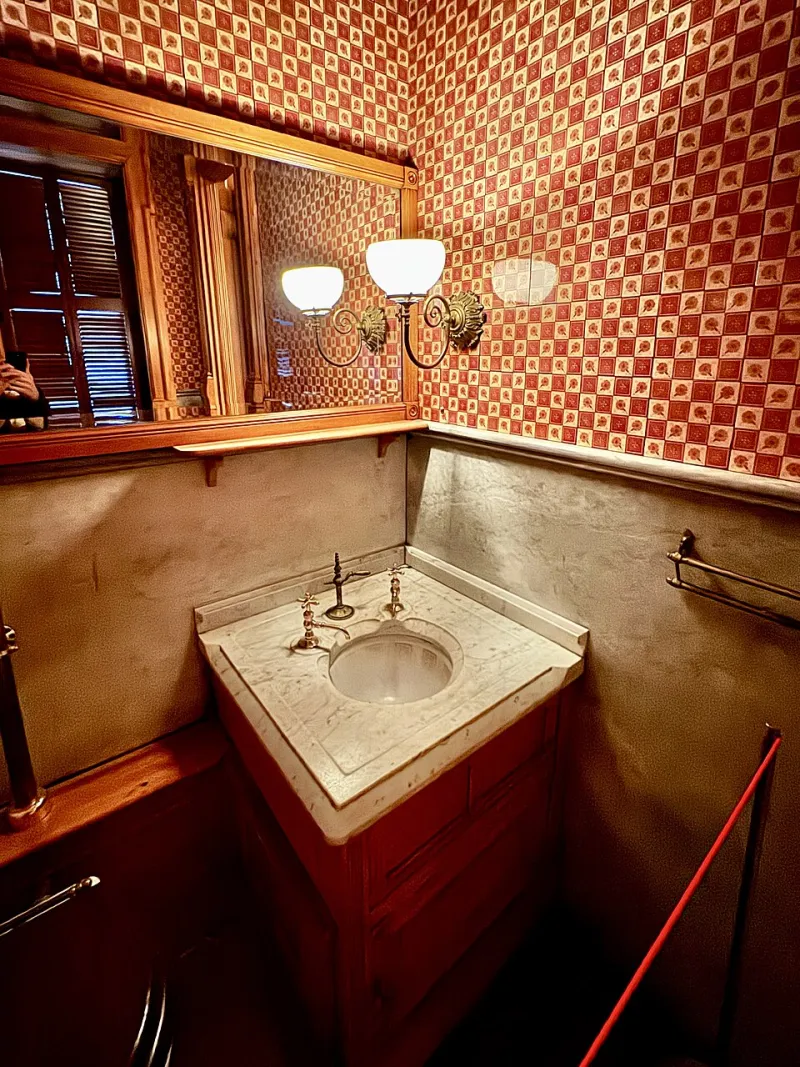
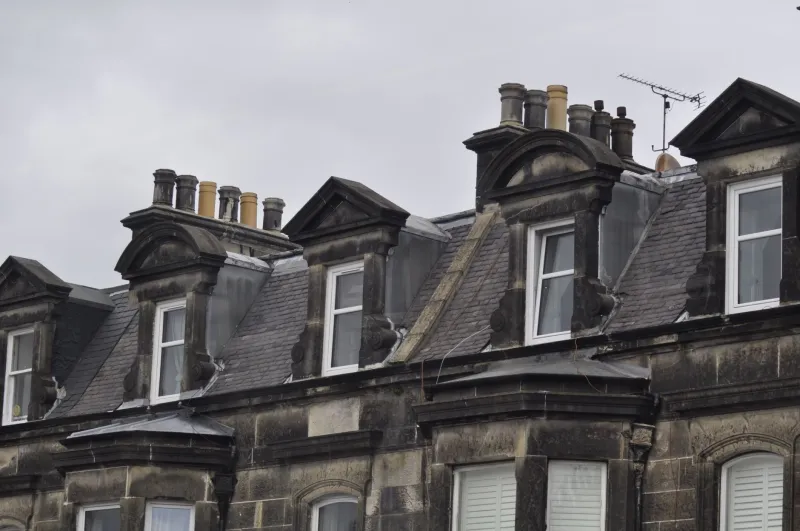
Photo: w_lemay, CC BY-SA 2.0, via Wikimedia Commons
In a Halifax stone house, the bathroom is a small room with a big job. It has to handle steam, splashes, wet towels and the morning rush, all inside walls that were built for a different kind of life. The temptation is to seal everything up and pretend the room is separate from the building. The better approach, especially in 2026, is to let the house behave like a stone house: absorb a little, dry out steadily, and never trap moisture where it can do damage.
Start with the air, not the tiles
Before choosing a basin or a tile, think about where the steam goes. A bathroom extractor fan should be sized for the room, not picked from the cheapest shelf. It needs to run long enough after a shower to clear the air, so a timer or humidity sensor is worth the extra. Duct it outside, ideally by the shortest route, rather than into a loft where the moisture will simply settle on the rafters. If the room has a window, use it, but do not rely on it in January. A small hygrometer costs very little and tells you what the room is actually like. In a Halifax terrace or a stone-built semi, the goal is not a hermetically sealed box; it is a room that can breathe.
Heat that behaves like a radiator, not a furnace
Cold surfaces attract condensation. A bathroom that is warm but not overheated will feel better and stay drier. A heated towel rail is useful, but it should be part of a sensible heating plan, not the only source of warmth in a room with single-skin exterior walls. If the bathroom sits over a cold cellar or at the end of a run, check whether the radiator is balanced and whether the room is insulated where it can be. A little background heat, plus a warm floor if you are renovating, often does more than blasting the room for ten minutes. Frost protection matters too, especially in older properties with pipework in awkward corners.
Fittings with manners
Sympathetic fittings do not mean a museum. A simple white suite, traditional-style taps and a well-made shower screen can sit comfortably in a period room without pretending the house is a Victorian exhibit. Think about how you use the room: a shower over the bath may be the practical choice where space is tight, while a walk-in shower can work well if the floor structure and drainage allow it. Check water pressure before committing to a rain shower. In many Halifax homes, a combi boiler and a long pipe run have opinions of their own. Ask your plumber to test flow and pressure first, then choose the fitting that suits the house rather than the showroom.
Floors that can take a splash
Original stone or quarry tiles can be wonderful in a bathroom, but they need care. Seal them with a breathable product rather than a heavy plastic coating, and accept that some patina is part of the deal. Timber floors can work if they are sound, well ventilated and protected around wet zones, but do not ignore a soft board or a hidden leak. Sheet flooring is often the quiet hero of a family bathroom: warm underfoot, easy to clean and forgiving if a child decides to create an indoor water feature. Whatever you choose, leave a sensible gap around the edges and make sure the floor can dry.
Materials that let the house breathe
This is where 2026 thinking has moved on. Breathable materials are not a fashion; they are a practical response to old walls. Lime plaster and breathable paint are often better partners for stone than cement render and vinyl emulsion, because they allow moisture to move. Tiles are fine in wet zones, but consider how much of the room really needs them. A half-tiled wall with a properly prepared substrate can be more forgiving than a fully sealed box. Avoid MDF in damp corners, use moisture-resistant boards where they make sense, and let joinery dry out if it gets splashed. The building does not need to be perfect; it needs to be able to recover.
The local trade advantage
Halifax has a deep bench of trades who understand stone. Ask a joiner about door linings that will move with the seasons. Ask a plumber about pipe routes that avoid cold external walls. Ask a tiler about substrates and movement. If your home is listed or in a conservation area, check with Calderdale Council before changing windows, external walls or anything that affects the character of the building. Good local trades are not a luxury in a period home; they are the difference between a bathroom that works and one that keeps asking for attention.
A sensible 2026 checklist
- Ventilate first: fan, ducting, timer or humidity sensor.
- Heat gently: towel rail plus background warmth, no cold corners.
- Choose fittings that suit the room and the water pressure.
- Use breathable finishes on walls where you can.
- Keep floors dry, sealed appropriately and repairable.
- Check listed building or conservation area rules before you start.
A bathroom in a Halifax stone house does not have to choose between comfort and character. Get the air moving, keep the room warm, choose materials that can dry, and use local trades who know how these buildings behave. Then the room can be what it should be: a warm, practical sanctuary, not a wet wall waiting to happen.